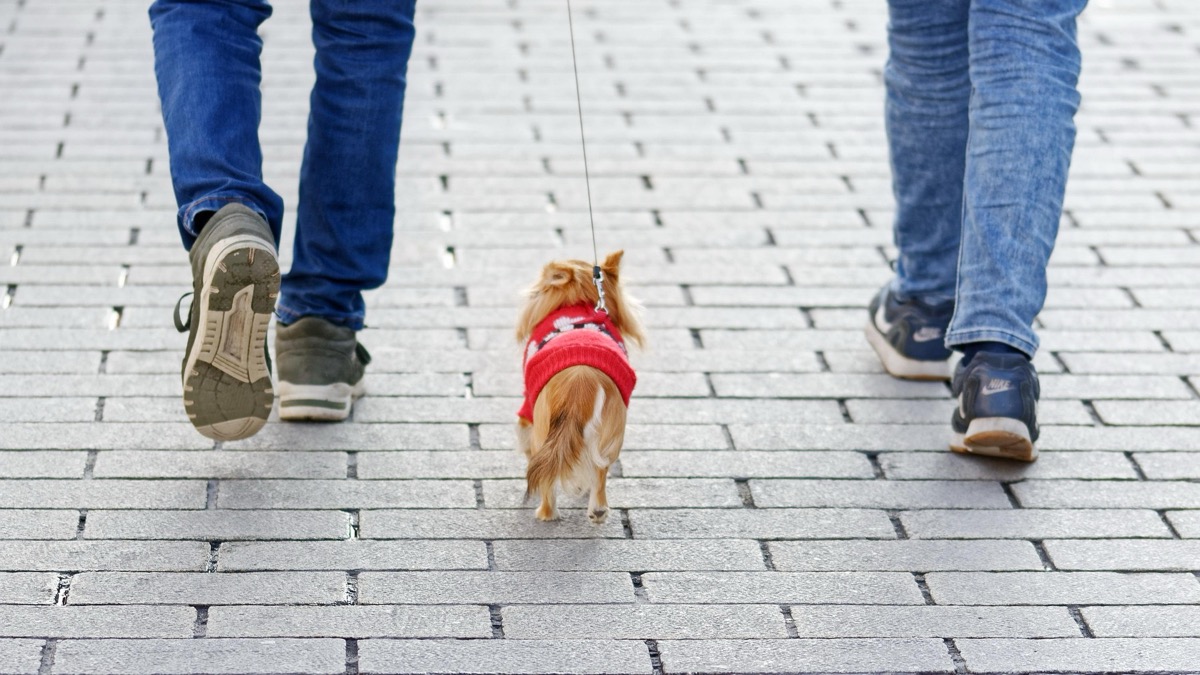
Living in Daly City with a dog is a specific kind of experience. You're dealing with the thick fog at Thornton Beach one minute and dodging crowds at Westlake Shopping Center the next. It's a great place for a pup, but a well-behaved dog doesn't just happen because you bought a nice leash. If you want a dog that doesn't lose its mind every time a BART train rumbles overhead, you need a plan. When you decide to choose dog trainer Daly City options, you're making a huge call for your sanity and your dog's safety. This isn't just about "sit" and "stay"; it's about finding someone who understands our unique, often windy, coastal backyard.
Methods matter more than marketing
Before you start Googling every Daly City dog trainer in the 94015 zip code, you need to know what you're actually looking for. Most trainers hide behind a lot of jargon, but they usually fall into two camps. I'm a big believer in evidence-based training, which usually means "positive reinforcement." You reward what you want (treats, praise, or a quick game of tug) so the dog learns what to do. This is a lifesaver when you're walking past the chaos of Hillside Park and need your Golden Retriever to keep its eyes on you instead of a squirrel.
You'll also see "balanced" trainers. This sounds nice and fair, but it usually means they use corrections, stuff like prong collars or "e-collars." While some people want a quick fix for a dog that pulls, aversives can backfire, especially with sensitive rescues. If you're interviewing someone in Broadmoor or Serramonte, ask them straight up: "What happens if my dog gets it wrong?" If they start talking about "dominance" or "being the alpha," keep looking. A real pro will be transparent about their tools and won't try to hide behind fancy terms to avoid saying they use physical punishment.
If you have a rescue from the Peninsula Humane Society, look into "force-free" training. These dogs often have some baggage, and the last thing they need is to feel intimidated. The goal is a dog that listens because they trust you, not because they're afraid of what happens if they don't.
Spotting the red flags
In California, literally anyone can print a business card and call themselves an expert. There's no license required, which is terrifying. The biggest red flag? "Guaranteed results." Dog behavior is messy. It's influenced by genetics, their history, and, let's be honest, how consistent you are as an owner. If a dog trainer Daly City tells you they can "fix" your German Shepherd's barking in exactly two weeks, they're lying. Run the other way.
Another warning sign is the "back room" treatment. If a trainer says they need to take your dog away from you to "work through a behavior," don't let them. You're the one who has to walk this dog through the fog at Mussel Rock every morning. If you aren't part of the training, the results won't stick. Good trainers coach the human as much as the dog. If they can't explain the "why" behind their methods without using a bunch of pseudo-science, they probably don't have a good answer.
Watch the dogs they've already trained. Do they look happy and engaged, or do they look "shut down"? In neighborhoods like ours, word of mouth is everything. Stop by the Gellert Park dog area and ask around. If you hear that a trainer's methods made a dog timid or "different," take that seriously.
Daly City's best training spots
We're lucky to have the Peninsula Humane Society and SPCA right nearby. They are the gold standard. Their classes, from puppy basics to "reactive dog" workshops, are science-based and humane. It's a great way to train in a high-distraction environment, which is exactly what you need if you live in high-density spots like St. Francis or Westlake.
If you're looking for a private dog trainer Daly City, find someone who will actually go out into the real world with you. A trainer who meets you at the Cow Palace to practice navigating crowds or helps you with leash manners on those ridiculous Southern Hills inclines is worth their weight in gold. Real-world value is training while the wind is whipping off the Pacific at Thornton State Beach, not just in a quiet living room.
Look for certifications like CCPDT or IAABC. They aren't legally required, but they show the person actually put in the hours and passed a test on how dogs actually learn. Seeing "CPDT-KA" after a name is a good sign you're dealing with a professional, not a hobbyist.
The reality of the work
Let's talk logistics. If you have to fight I-280 traffic for 40 minutes to get to a class, you're going to skip it. Find someone local. In-home training is great for "door dashing" or barking at the mailman because the trainer sees the behavior exactly where it happens. It's an investment, private sessions in the Bay Area usually run $100 to $250 an hour, but it's cheaper than trying to fix the damage done by a bad trainer later.
The "secret sauce" is just consistency. If your trainer tells you to ignore the begging at the table, but your partner is secretly dropping bits of sourdough from Westlake Joe's, you're wasting your money. Training is a marathon. Choose someone you actually like, because you'll be spending a lot of time with them. If they make you feel stupid for asking questions, they aren't a good coach.
The long game
Your dog's needs will change. Your bouncy puppy will become a hormonal teenager, and eventually a senior who needs a bit more grace on those John Daly Boulevard hills. A good trainer is a lifelong resource. Whether you want a dog that can hike San Bruno Mountain off-leash or just a buddy who doesn't pull your shoulder out of its socket, the right pro is out there. Trust your gut. Our dogs give us everything; the least we can do is make sure their education is handled by someone who actually cares about their well-being.